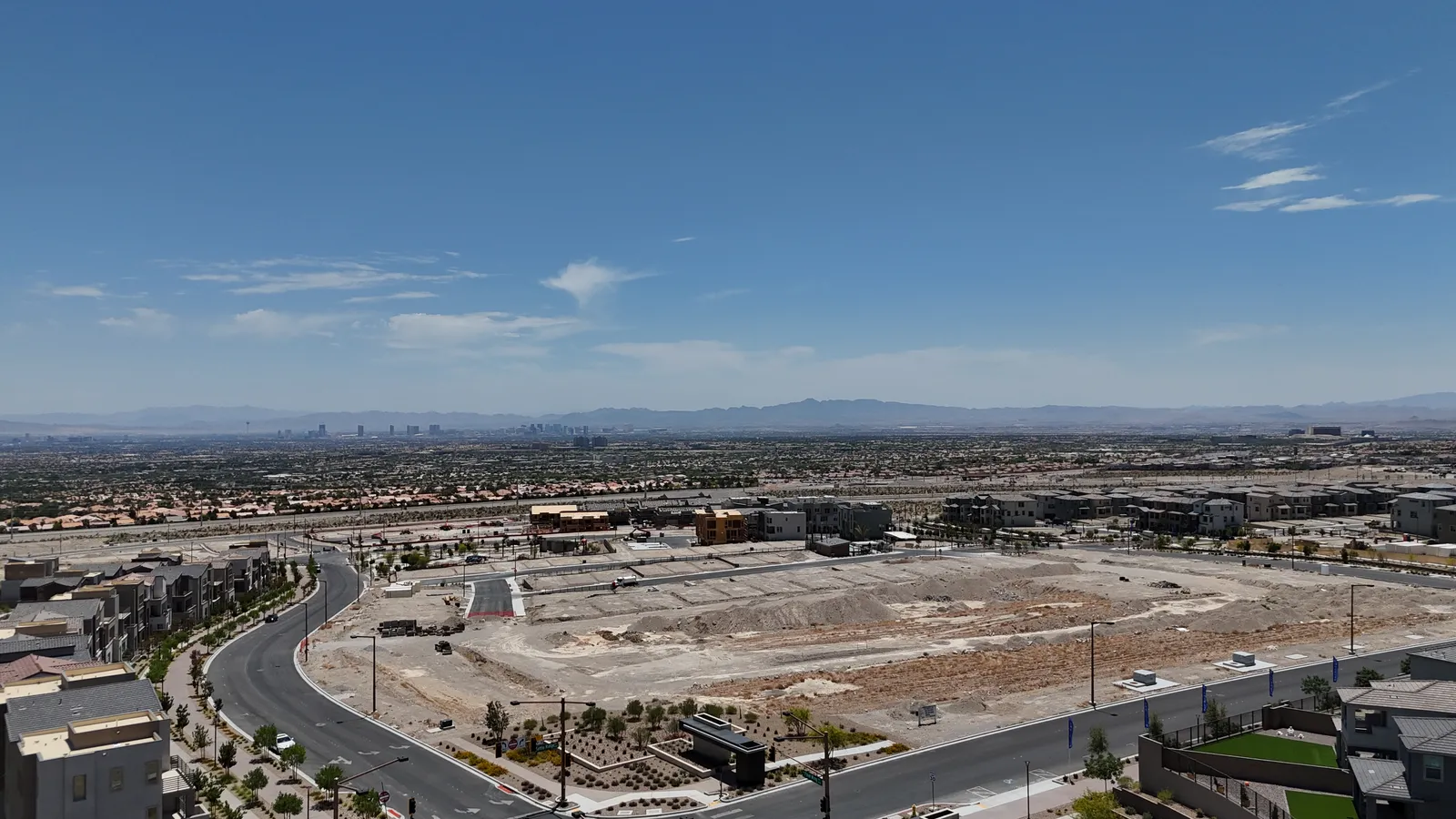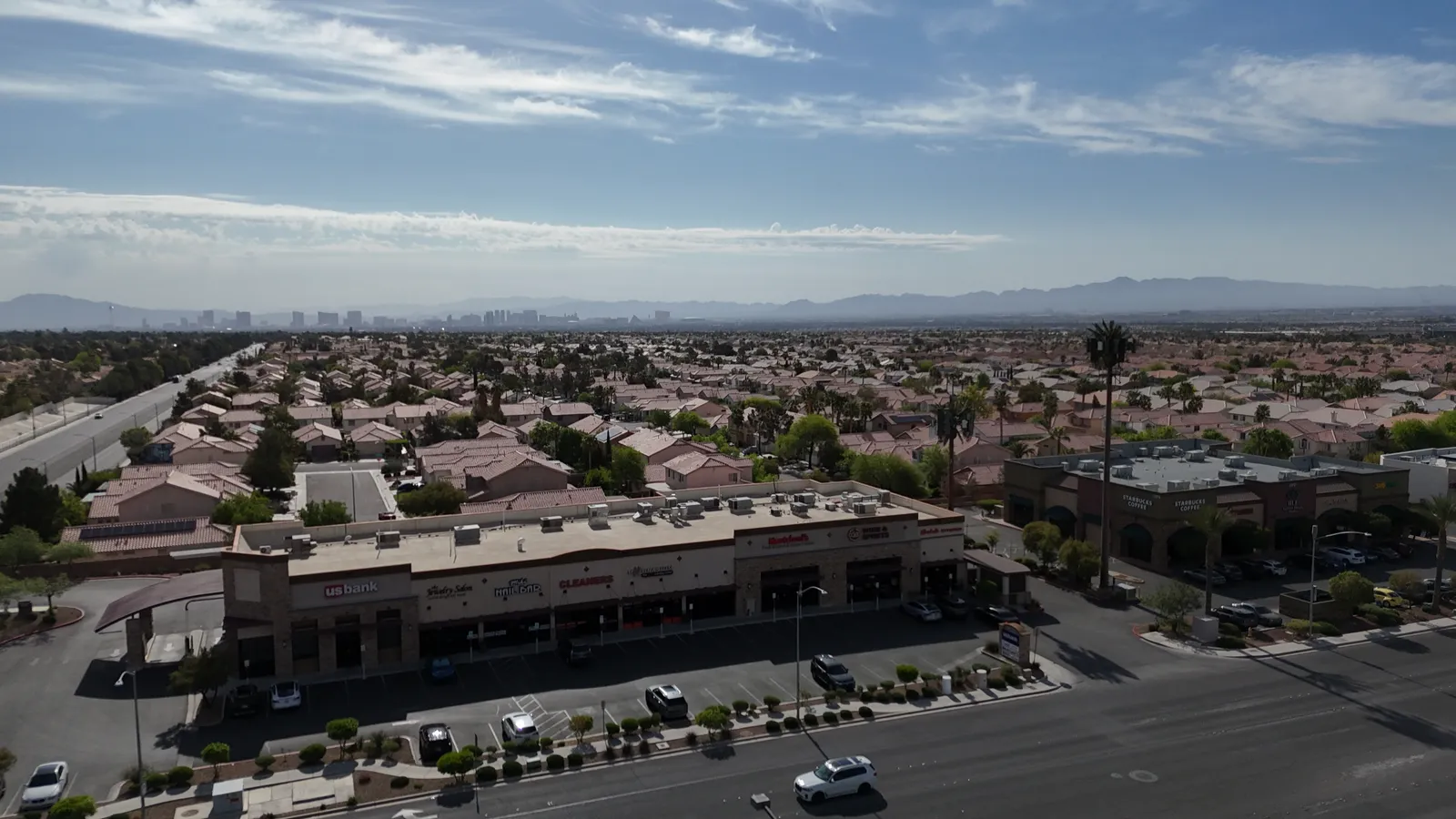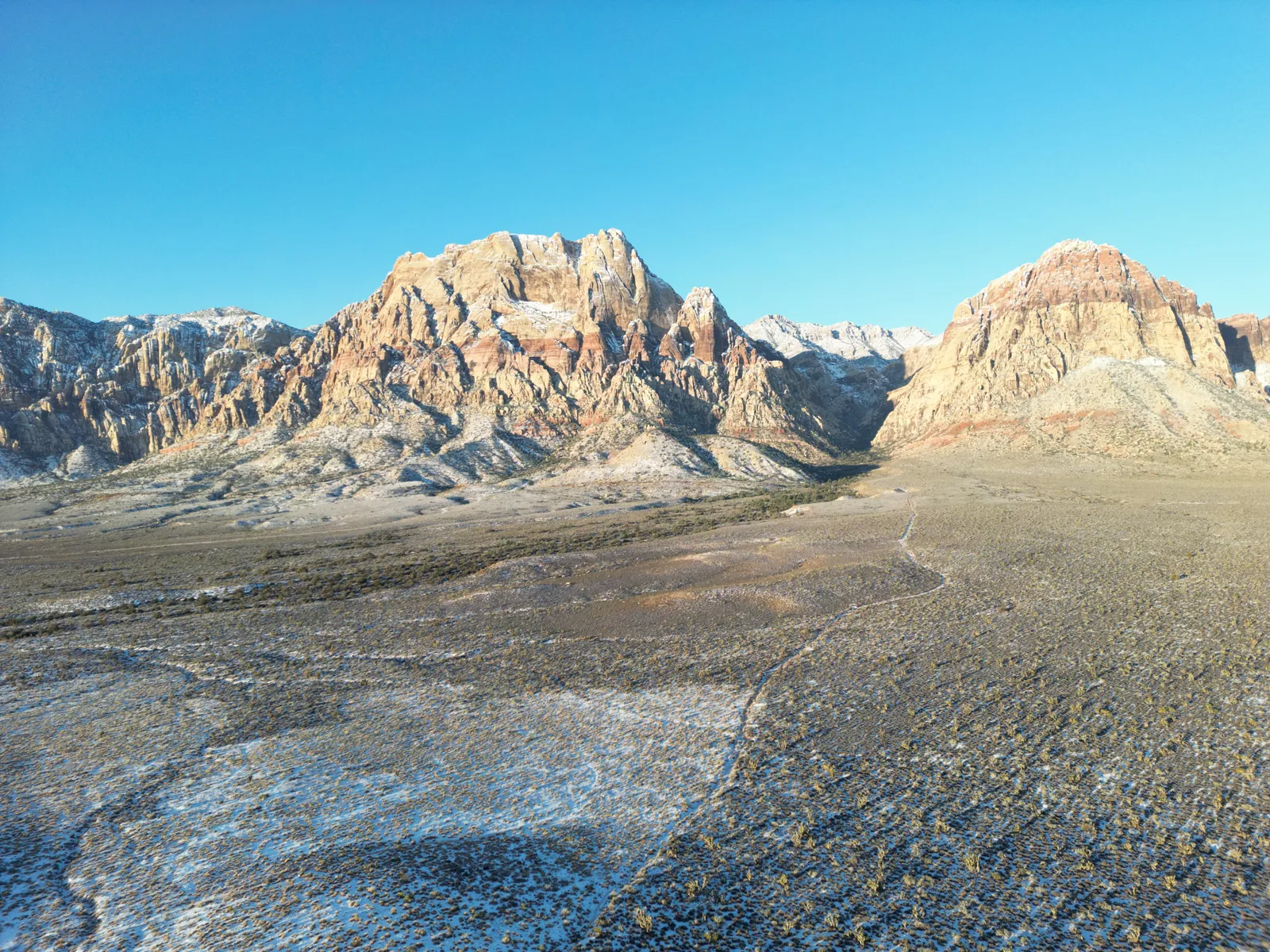
About a third of the buyers I work with are relocating from California. Not tourists buying vacation condos — people making a permanent move. They sell a 1,400-square-foot ranch in Burbank for $1.1M, drive four hours east, and buy a 3,200-square-foot home with a pool and Red Rock views for $700K. They pocket the difference and never pay state income tax again.
I've helped dozens of California buyers through this transition over the past 18 years. The financial case is overwhelming. But there are practical details that can trip you up if you don't plan ahead — from establishing Nevada domicile to avoiding a Franchise Tax Board audit. Here's everything I tell my California clients before they make the move.
The Tax Savings Are Real and Significant
Nevada has no state income tax. California's top marginal rate is 13.3%, the highest in the country. For a household earning $200K, the move to Nevada eliminates roughly $15,000-$18,000 in annual state income tax. At $400K in household income, you're looking at $30,000-$40,000 in savings. For high earners above $600K, the savings can exceed $50,000 per year.
These aren't projections or estimates. These are the numbers my clients report after their first full tax year in Nevada.
Note: The following tax comparisons are general estimates for illustrative purposes only. Consult a licensed tax professional or CPA for advice specific to your situation.
| Household Income | CA State Tax (Est.) | NV State Tax | Annual Savings |
|---|---|---|---|
| $100,000 | ~$6,200 | $0 | ~$6,200 |
| $150,000 | ~$10,800 | $0 | ~$10,800 |
| $200,000 | ~$15,400 | $0 | ~$15,400 |
| $300,000 | ~$25,500 | $0 | ~$25,500 |
| $400,000 | ~$36,000 | $0 | ~$36,000 |
| $600,000+ | ~$55,000+ | $0 | ~$55,000+ |
Beyond income tax, Nevada has no estate tax, no inheritance tax, and no tax on Social Security benefits. Property taxes are also significantly lower — Clark County's effective rate runs about 0.53% compared to roughly 0.75% in Los Angeles County. On a $600K home, that's a difference of about $1,300 per year.
"California equity is a superpower in the Las Vegas market. Families are selling modest homes in LA and buying twice the house here — and still walking away with cash in the bank."
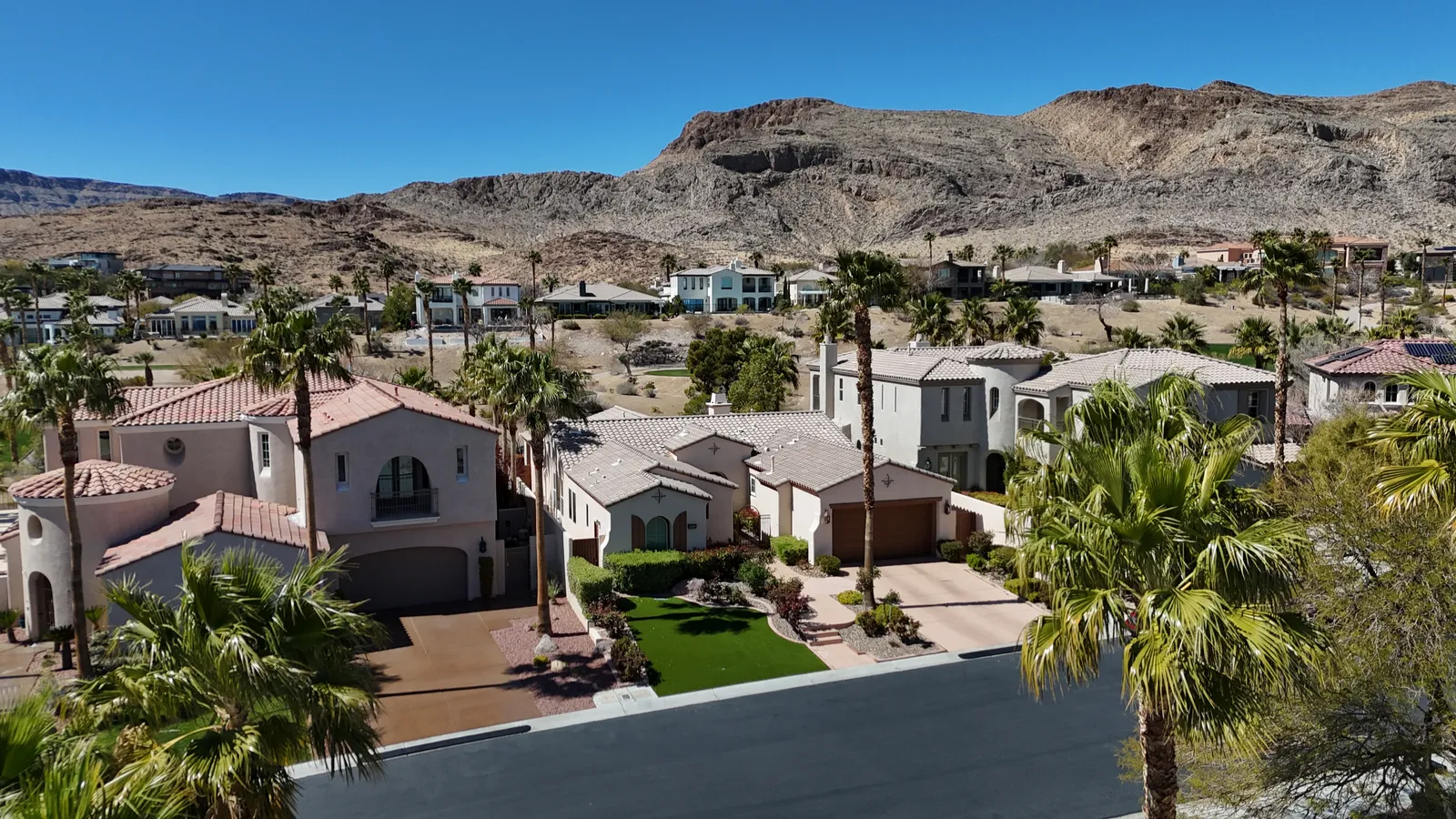
What California Equity Buys in Las Vegas
The median home price in Los Angeles County sits around $870K as of early 2026. In the San Fernando Valley, a 1,500-square-foot home in a decent school district — Sherman Oaks, Encino, Woodland Hills — runs $900K to $1.2M. In the South Bay, you're looking at $1.3M+ for something comparable.
Here's what that same money buys in Las Vegas:
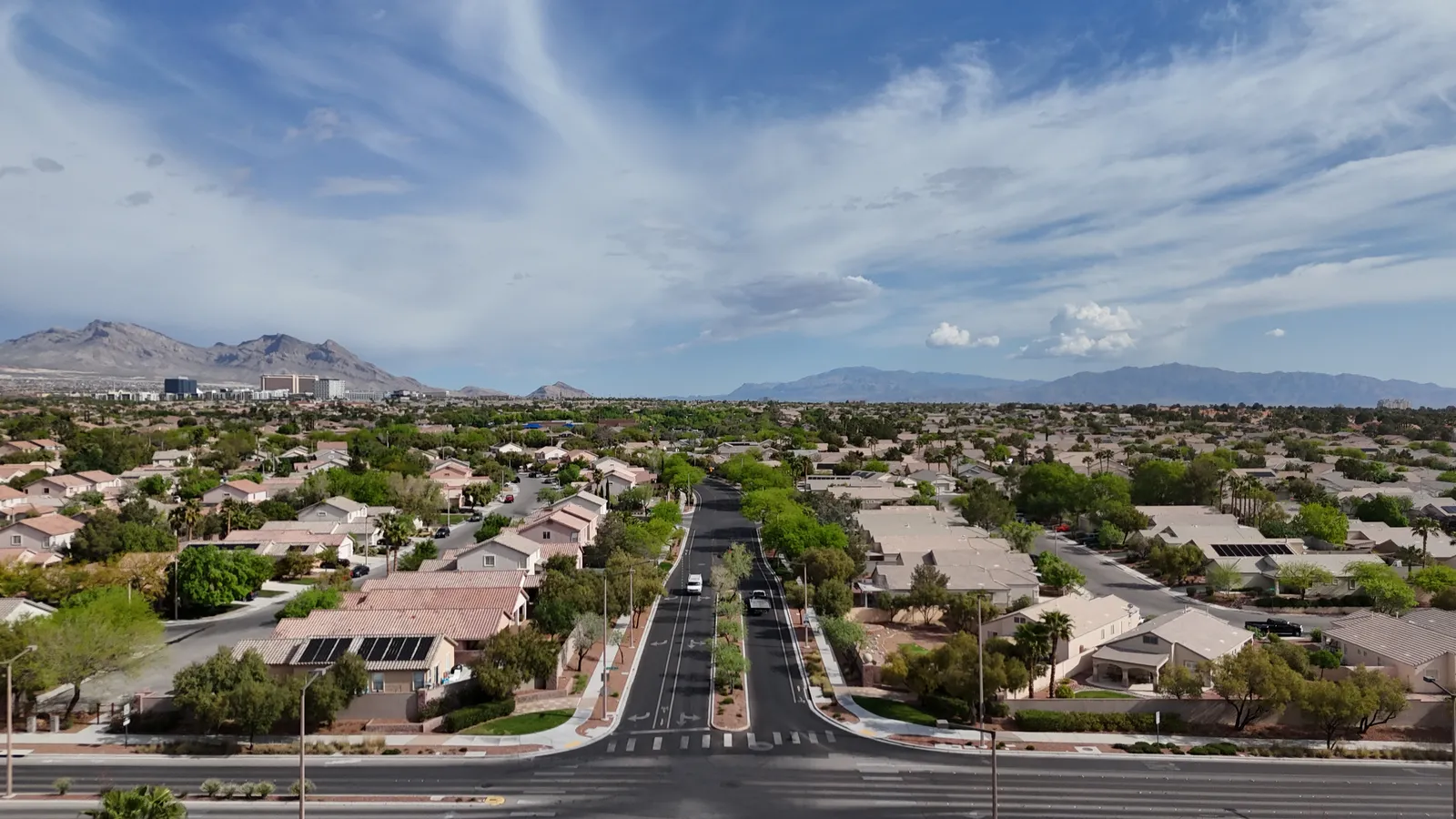
- $500K-$600K in Summerlin: 2,400-3,000 sq ft, 3-4 bedrooms, two-car garage, community pool, mountain views from upper floors. Newer construction (2015+) in highly rated school zones.
- $600K-$800K in Summerlin West: Brand new construction, 2,800-3,600 sq ft, gated communities, premium finishes, Red Rock Canyon views. The sweet spot for California relocators.
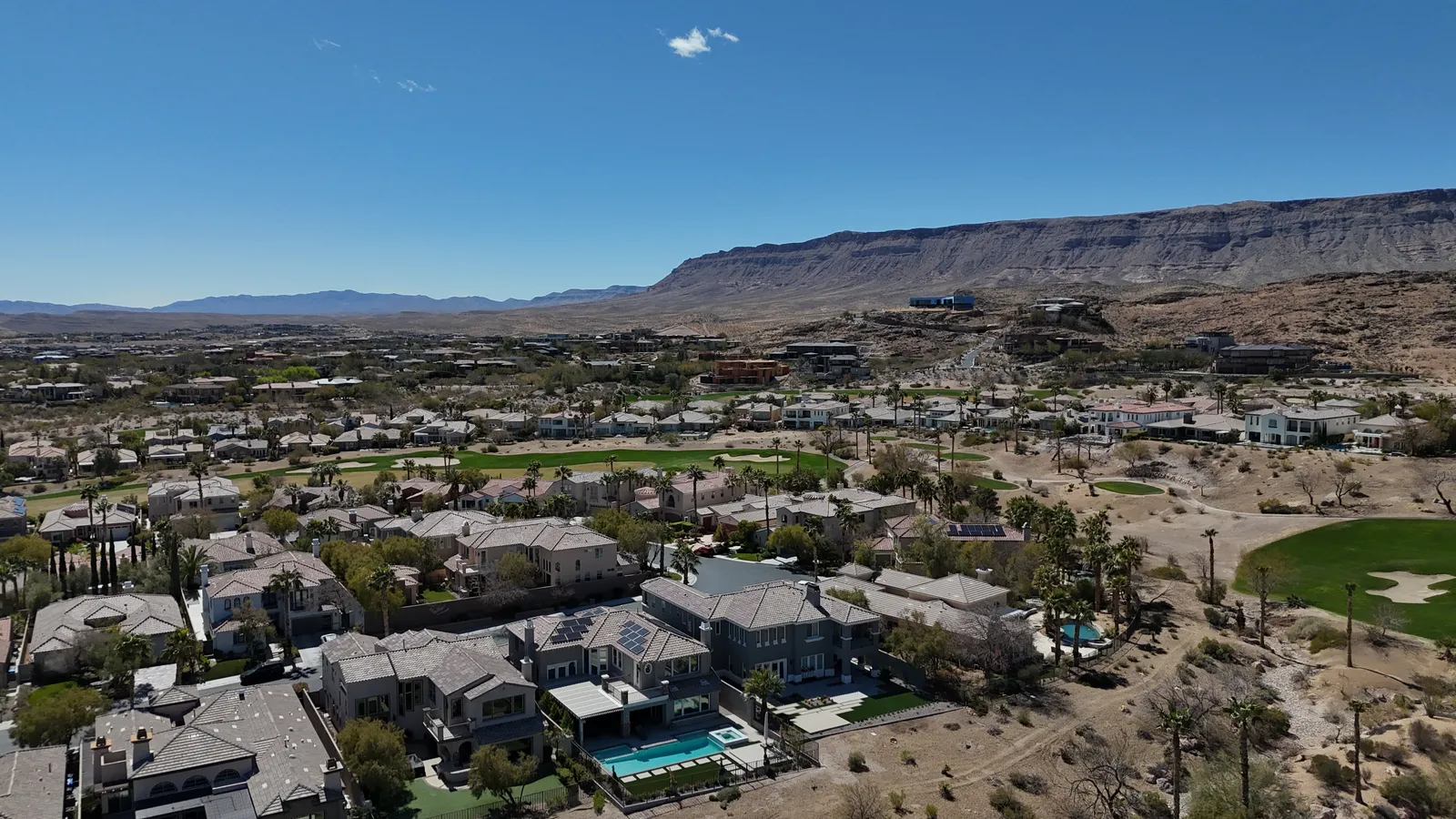
- $800K-$1.2M in The Ridges or Summerlin luxury: 3,500-5,000 sq ft custom and semi-custom homes with resort-style backyards, full smart home automation, and views that would cost $3M+ in any coastal California market.
- $400K-$500K in Henderson: 2,000-2,600 sq ft in established neighborhoods like Green Valley or Anthem. Excellent schools, master-planned communities with parks and trails, slightly more suburban feel than Summerlin.
A family selling a $1M home in the San Fernando Valley can buy a $700K home in Summerlin, pocket $250K after closing costs and moving expenses, and reduce their monthly housing payment by $1,500-$2,500. I see this scenario every month.
Cost of Living Beyond Housing
Housing is the biggest line item, but it's not the only place you save. Here's how the broader cost of living compares between Los Angeles and Las Vegas.
- Groceries: 8-12% lower in Las Vegas. Costco and Trader Joe's prices are comparable, but local grocers and produce markets are noticeably cheaper.
- Gas: Consistently $0.80-$1.20 per gallon cheaper than LA. As of April 2026, regular unleaded averages $3.45 in Las Vegas vs. $4.65 in Los Angeles.
- Auto insurance: Roughly 15-20% lower in Clark County compared to LA County, though rates vary by driver profile and coverage level.
- Utilities: Electricity is higher in Las Vegas due to summer cooling costs. Expect $200-$350/month for electricity during June-September for a 2,500 sq ft home. Water is metered and typically runs $40-$60/month. Overall utility costs are roughly comparable to Southern California.
- Childcare: Full-time daycare in Las Vegas averages $900-$1,200/month compared to $1,500-$2,200 in the LA metro area.
- Dining: Restaurant prices are 10-15% lower on average outside the Strip and resort corridor. A family dinner at a mid-range restaurant runs $80-$120 in Las Vegas vs. $100-$150 in LA's Westside.
Establishing Nevada Domicile
This is where California relocators need to be careful. The California Franchise Tax Board (FTB) is aggressive about pursuing former residents who claim Nevada residency while maintaining California ties. If the FTB determines you're still a California resident, you owe California income tax on your worldwide income — and they will assess penalties and interest retroactively.
To establish a clean break, you need to do the following within 30-60 days of your move:
- Register to vote in Nevada. This is the single strongest indicator of domicile intent.
- Get a Nevada driver's license. Surrender your California license when you do. Nevada DMV requires an in-person visit — appointments are available online and wait times are typically 20-40 minutes.
- Register your vehicles in Nevada. Registration fees are based on vehicle value and depreciate annually.
- Update your mailing address with the USPS, all financial institutions, insurance providers, and the IRS.
- File a part-year California return for the year you move. Report California-source income through your departure date only.
- Open Nevada bank accounts and close or transition California accounts.
- Change your estate planning documents (will, trust, power of attorney) to reference Nevada law and your Nevada address.
Avoiding a Franchise Tax Board Audit
The FTB uses a "closer connection" test to determine domicile. They look at where you spend the majority of your time, where your family lives, where your belongings are, and where you conduct business. Red flags that trigger audits include:
- Maintaining a California home (even a rental property you occasionally stay in)
- Keeping California professional licenses active without Nevada equivalents
- Children enrolled in California schools
- Spending more than 9 months per year in California (the "safe harbor" threshold is fewer than 6 months)
- Active California gym memberships, country club memberships, or religious organization memberships
I'm not a tax attorney and I don't give tax advice. But I strongly recommend my California clients consult with a CPA or tax attorney who specializes in California-to-Nevada relocations before their move. The consultation typically costs $500-$1,500 and can save you tens of thousands in potential FTB assessments.
Best Las Vegas Neighborhoods for California Transplants
Certain neighborhoods attract California relocators more than others. The reasons are consistent — good schools, walkable retail, a suburban-but-not-isolated feel that mirrors the better parts of LA's suburbs.
- Summerlin (South and West): The top choice for families coming from the San Fernando Valley, Thousand Oaks, or Calabasas. Downtown Summerlin provides the walkable shopping and dining that Californians expect. Homes in the $550K-$800K range.
- Henderson (Anthem and Seven Hills): Popular with families coming from Orange County. Master-planned communities with excellent schools, parks, and a slightly more quieter, more established suburban feel. Homes in the $500K-$750K range.
- The Ridges (Summerlin): For buyers coming from Pacific Palisades, Manhattan Beach, or Rancho Santa Fe. Guard-gated luxury community with $1M-$4M homes. The closest thing Las Vegas has to a California coastal lifestyle.
- Inspirada (Henderson): For younger families and first-time buyers coming from more affordable California markets. New construction and near-new homes in the $400K-$550K range with strong HOA amenities.
If you want a deeper look at how all the major neighborhoods compare, I wrote a full breakdown of the best Las Vegas neighborhoods to buy in 2026.
School Quality: Honest Assessment
I won't sugarcoat this. Clark County School District as a whole ranks below California's statewide averages. But averages don't tell the story at the neighborhood level.
Schools in Summerlin, Henderson, and Skye Canyon range from 6/10 to 9/10 on GreatSchools ratings, which is comparable to or better than many San Fernando Valley and Inland Empire schools. Palo Verde High School, Coronado High School, and Green Valley High School consistently rank among the top public high schools in Nevada.
Private school options are also strong. The Meadows School, Bishop Gorman, and Faith Lutheran all offer college-prep curricula comparable to LA private schools, at roughly half the tuition — $15,000-$25,000/year vs. $30,000-$50,000 in LA.
The key is choosing your neighborhood carefully. School quality varies dramatically within a 10-minute drive radius. I always pull current school zone maps and GreatSchools data for my clients before we start touring homes.
The Drive: What to Expect
The I-15 from LA to Las Vegas is 270 miles and takes 4-4.5 hours without traffic. Leaving LA on a Friday afternoon adds 1-2 hours. The Cajon Pass and Baker are your two bottleneck points.
For the move itself, most families either hire a full-service mover ($3,000-$8,000 depending on home size) or rent a truck and do it themselves ($500-$1,500 including gas). Pod-style services like PODS or U-Pack typically run $2,000-$4,000 for an LA-to-Vegas move.
One advantage of the proximity: you can drive back to see family and friends in LA for a weekend without buying a plane ticket. Allegiant, Southwest, and Spirit also run direct flights for $50-$150 round trip. That proximity keeps California relocators from feeling like they've moved to another planet.
What Surprises California Transplants
After helping dozens of families make this move, I've heard the same feedback patterns.
- The heat is real but manageable. June through September is brutal outdoors — 105-115F is normal. But homes are well-insulated, pools are everywhere, and you adapt faster than you expect. Most people say the second summer is dramatically easier than the first.
- The community is warmer than expected. California transplants consistently tell me they've made more friends in their first year in Summerlin than they did in five years in their LA neighborhood. HOA events, school communities, and local sports leagues create connections that are harder to find in spread-out LA.
- You miss the ocean. There's no workaround for this. Lake Mead and Lake Las Vegas offer water recreation, but they're not the Pacific. San Diego is a 5-hour drive. Some families plan quarterly beach trips and budget accordingly.
- The food scene is better than expected. Las Vegas dining extends far beyond the Strip. Chinatown (Spring Mountain Road), Henderson restaurant row, and the Downtown Summerlin district offer variety that surprises most California transplants.
Make the Move with a Local Guide
I've helped dozens of California buyers make the move. I know the neighborhoods, the school zones, the builders, and the tax implications better than any online calculator can show you. I also know what it feels like to arrive in Las Vegas and wonder if you made the right call — because I hear it from every client during their first month, and I hear the relief by month three.
If you're serious about relocating, let's talk. I'll show you what your budget buys here, walk you through the domicile checklist, and connect you with the CPA and insurance contacts you'll need. You can also start browsing homes on my site to see what's available right now, or read my story to understand why I do this work.